Technology & Digital Transformation

Our work ensures that technology modernization strengthens business performance, supports zero trust, and promotes long-term sustainability. We integrate infrastructure, people, data, cloud, and cybersecurity domains into a cohesive transformation strategy that improves business performance, resilience, regulatory compliance, and receptivity to technological change.
Our approach emphasizes security-by-design, risk-informed decision-making, and human-centered leadership-aligned execution, ensuring that technology enables people and organizations to achieve their objectives rather than constrain them.
Successful digital transformation occurs when leaders:
Lead across procurement, design, execution, and measurement before migrating systems
Secure platforms before scaling capabilities
Align operations and governance before automating workflows
Integrate security into requirements, design, and development
Use data intentionally to inform decisions, not just report activity
Customers: Federal, state, and local governments. Colleges and universities, CIOs, CTOs, CISOs, and program leaders modernizing legacy environments while maintaining regulatory compliance and operational continuity.
Service Details

Cloud & Platform Modernization (FedRAMP/RMF-aligned)
The principal challenge we solve is overcoming barriers to adopting cloud technologies and to securely and cost-effectively transforming legacy technology while meeting evolving compliance and speed-of-change obligations.
Lemmas Approach
Current-state discovery, application/platform inventory, dependency mapping, risk constraints
Target-state architecture, reference architectures for landing zone, identity, network, observability, data boundaries
Migration factory (stage-gate), wave planning, cutover patterns, rollback plans, validation
FinOps & security-by-design, cost controls, guardrails, continuous compliance
Operating model, platform ownership, SRE/ops patterns, support model
Key Components
Cloud landing zone blueprint (identity, network, logging, policy)
Compliance control mapping (RMF/FedRAMP, where applicable)
Migration waves & runbooks
Observability and reliability baseline
Outcomes
Predictable modernization with measurable progress and reduced reputational risk
Replicable platform patterns, faster delivery cycles, fewer one-off environments
Compliance controls embedded, auditable logging, reduced attack surface
Standard pipelines, faster onboarding, fewer environment issues, improved reliability and performance, and fewer outages during transition
Delivery Model
Advice on target-state architecture, compliance approach, and operating model
Build landing zone, platform foundations, migration waves (with client teams)
Support the staff responsible for platform ops, SRE support, and continuous compliance assistance
Application Development & Modernization (AI-Native)
The principal challenge we solve is the inability of organizations with legacy, tightly coupled systems to modernize quickly while safely integrating AI. These environments slow feature delivery, increase technical and security risk, and prevent responsible, governable adoption of advanced AI capabilities.
Lemmas Approach
Identify high-value workflows and refactor targets (monolith → modular)
Define integration patterns (API-first, event-driven where appropriate)
Embed AI capabilities responsibly (RAG, private GPTs, agentic workflows) with guardrails
Testability, security, and accessibility built in (WCAG where applicable)
Key Components
Modernization roadmap and refactor plan
Reference microservice/API patterns
AI integration blueprint (RAG, policy, safety controls)
Outcomes
Faster feature delivery and reduced operational friction
Reduced technical debt, improved maintainability
Consistent and reliable controls and review gates
Delivery Model
Guidance on architecture, roadmap, and related topics.
Build feature delivery, integration, and modernization increments
Support the staff responsible for sustainment teams, backlog support, and reliability enhancements
Cybersecurity & Information Assurance
The principal challenge we solve is increased risk exposure to sophisticated cyber threats while regulatory requirements grow more complex and enforcement becomes more stringent.
Lemmas Approach
Integrated security, and assess maturity against frameworks and mission risk
Prioritize hardening of critical assets and attack paths
Implement governance routines and security program integration
Align cybersecurity strategy to mission risk by integrating threat intelligence, regulatory requirements, and operational priorities into a single risk-managed security program
Key Components
Maturity assessment & roadmap
Vulnerability assessments and penetration testing (as scoped)
VCISO governance support
Risk-based asset and attack-path prioritization model
Outcomes
Zero-trust, hardened, and risk-informed posture
Security teams prioritized backlog and hardening
Reduced the likelihood and impact of successful cyber incidents through targeted controls
Improved regulatory confidence and reduced compliance friction
Delivery Model
Advice/Build/Operate: varies by project scope and requirements
Guidance on security strategy, governance routines, and compliance alignment.
Build and implement controls, architecture hardening, and remediation support
Support the staff responsible for ongoing security leadership, monitoring coordination, and program sustainment
IT Infrastructure & Systems Engineering
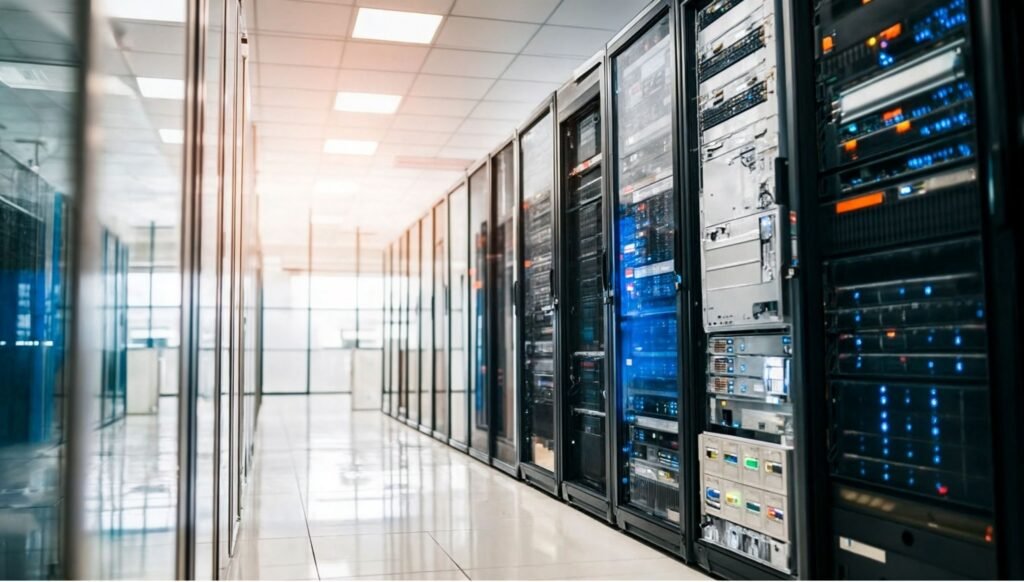
The principal challenge we solve is over-reliance on aging, fragmented, and under-optimized infrastructure that limits performance, scalability, and security while increasing operational risk and cost.
Lemmas Approach
Assess and optimize infrastructure readiness for cloud and modernization initiatives
Resilience, performance, and continuity engineering
Provide IT operations and network support to ensure reliability and continuity
Modernize and rationalize infrastructure through cloud-ready architectures, resilience engineering, and operational optimization to reduce risk while improving performance and scalability
Key Components
Reference architectures & dynamic modernization roadmap
COOP
Infrastructure risk, performance, and capacity assessment tied to mission priorities
Standardized configuration baselines and asset lifecycle management to improve consistency, security, and maintainability
Outcomes
Better uptime
Lower ops burden
Enhanced security posture through modernized, standardized infrastructure
Improved scalability and cost efficiency aligned to future growth
Delivery Model
Advice/Build/Operate: varies by environment
Integrated advisory, engineering, and sustainment support tailored to operational maturity
Provide IT operations and network support to ensure reliability and continuity
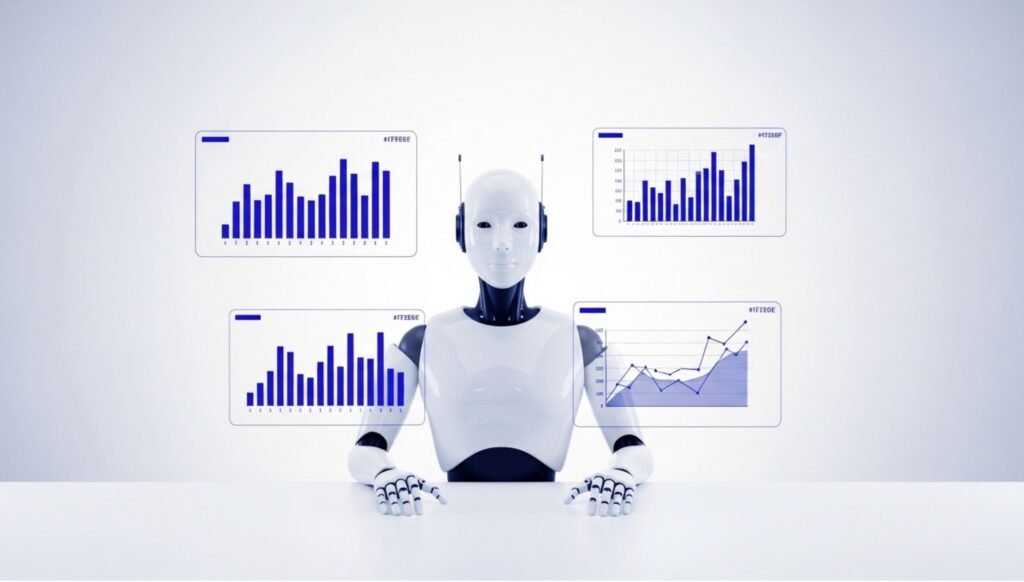
Data Platform Modernization (AI-Ready)
The principal challenge we solve is disaggregated data, dashboard failures, and a lack of governance, semantics, and data products for scale
Lemmas Approach
Establish data domains and products aligned to mission outcomes
Implement governance, quality, lineage, and access controls
Create scalable ingestion and transformation patterns
Transform fragmented data into governed, mission-aligned data products by combining domain ownership, strong semantics, and scalable data engineering patterns
Key Components
Data product model + semantic layer
Quality/lineage/observability
Standardized ingestion, transformation, and orchestration patterns for scale
Data stewardship and ownership model defining accountability for data quality, semantics, and lifecycle management
Outcomes
Trusted/reliable decision-support metrics
Teams get faster AI-enabled analytics
Reduced dashboard sprawl and metric inconsistency across the organization
Improved AI readiness through well-governed, reusable data assets
Delivery Model
Guidance on strategy, governance, and architecture
Build platform pipelines and data products
Support the staff responsible for platform operations and enhancements
Embedded data engineering and governance support to sustain data products and platform reliability
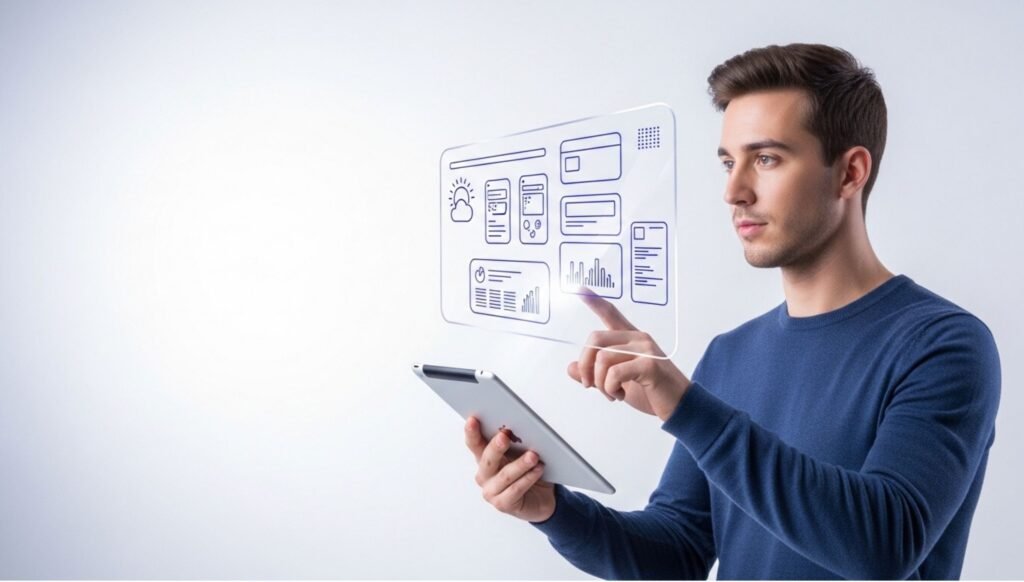
Decision Intelligence
The principal challenge we solve is that organizations possess large volumes of data but lack the integration and visualization capabilities needed to convert that data into actionable decision support.
Lemmas Approach
Define decision inventory (what decisions matter, who makes them, when)
Align analytics and AI to decision points and accountability
Embed insight delivery into workflows (not just dashboards)
Design decision-centered analytics by aligning data, AI, and visualization to who makes decisions
Key Components
Decision inventory & KPIs
Embedded analytics patterns
Measurement and feedback loops
Decision-grade products that align with leadership intent and measurable outcomes
Outcomes
Improved alignment between leadership intent, operational actions, and measurable outcomes
Faster and higher-quality decisions-support
Reduced the number of escalations and rework
Sustained use of decision-grade analytics that improves accountability, consistency, and confidence in day-to-day and strategic decision-making
Delivery Model
Advice/Build decision model, analytics implementation, KPI definition, and analytics strategy
Build: embedded analytics, decision-grade products, and workflow integration
Augment the staff responsible for analytics platform support, enhancement, and maintenance
DevOps Enablement
The principal challenge we solve is the lack of standardized, secure, and governable delivery pipelines that enable organizations to release software rapidly without increasing risk. Inconsistent CI/CD practices and late-stage security controls slow delivery, create compliance gaps, and undermine confidence in production releases.
Lemmas Approach
Standardize CI/CD patterns, environments, and release governance
Integrate security and compliance gates early (DevSecOps)
Establish automated quality, testing, and rollback controls to reduce release risk
Align DevOps practices with organizational operating models and audit requirements
Key Components
Pipeline templates, policy-as-code integration
Release governance model
Shared tooling standards and artifact repositories to ensure consistency and reuse
Monitoring, logging, and performance feedback loops embedded in delivery pipelines
Outcomes
Accelerated and predictable release cycles with reduced deployment failures and rollback risk
Improved security and compliance posture through early, automated enforcement of controls and audit-ready pipelines
Increased confidence in production releases among leadership, engineering, and security teams
Reduced operational friction and technical debt through standardized tooling, reusable pipelines, and consistent delivery practices
Delivery Model
Guidance on operating model and standards
Build pipeline templates and enable capabilities
Augment the staff responsible for release support and platform ops, etc.
Infrastructure as Code (IaC) & Environment Automation
The principal challenge we solve is manual, error-prone processes that slow delivery and increase risk
Lemmas Approach
Define standard environment blueprints and policy-as-code guardrails
Automate provisioning with controls and auditability
Standardize environments through reusable blueprints and policy-as-code guardrails to reduce variability and human error
Automate provisioning, configuration, and change workflows with built-in controls, traceability, and auditability
Key Components
Governed Infrastructure-as-Code (IaC) framework combining modular templates, policy enforcement, and operational runbooks
Policy-as-code
Environment runbooks
Outcomes
Lower operational and security risk through consistent, enforceable configurations
Faster and more reliable environment provisioning with reduced manual effort
Improved audit readiness and compliance through traceable, repeatable changes
Increased engineering productivity and confidence in infrastructure changes
Delivery Model
Advice/Build/Operate, depending on the ownership of the environment
Advice on environment standards, control requirements, and operating model design
Build IaC modules, policy-as-code controls, and automation pipelines
Augment the staff responsible for ongoing platform support, enhancements, and governance enforcement
Get in touch!
Let’s collaborate to optimize your organization’s performance through comprehensive digital transformation solutions that modernize systems, streamline operations, and strengthen enterprise resilience. We combine research-driven insight with real-world implementation experience to design and execute tailored digital strategies that align technology architecture, data capabilities, cybersecurity, and cloud infrastructure with mission priorities. Our approach ensures that modernization efforts translate into measurable operational improvements, enhanced agility, and sustainable competitive advantage.
Let’s begin the transformation.
AI Adoption • Digital Transformation • Leadership Training